The Regenexx® Difference: How Advanced PRP May Support Joint Healing
Nov 11, 2026
Joint pain can make everyday activities more difficult, whether you're climbing stairs, exercising, walking your dog, or simply getting out of bed in the morning.
When pain and stiffness persist despite rest, medication, or physical therapy, you may start looking for treatments that address more than your symptoms.
Platelet-rich plasma (PRP) therapy is a nonsurgical approach that uses components of your blood to support the body's natural healing response. However, not all PRP treatments use the same preparation methods or platelet concentrations.
At Coastal Regenerative Orthopedics & Wellness Center in San Diego, California, Ronald Cohen, MD, and our team offer regenerative orthopedic treatments, including advanced Regenexx® PRP procedures, to help patients manage joint pain and improve mobility.
Your blood contains platelets that help form clots and release growth factors involved in tissue repair. PRP therapy concentrates these platelets and delivers them directly to an injured or painful area.
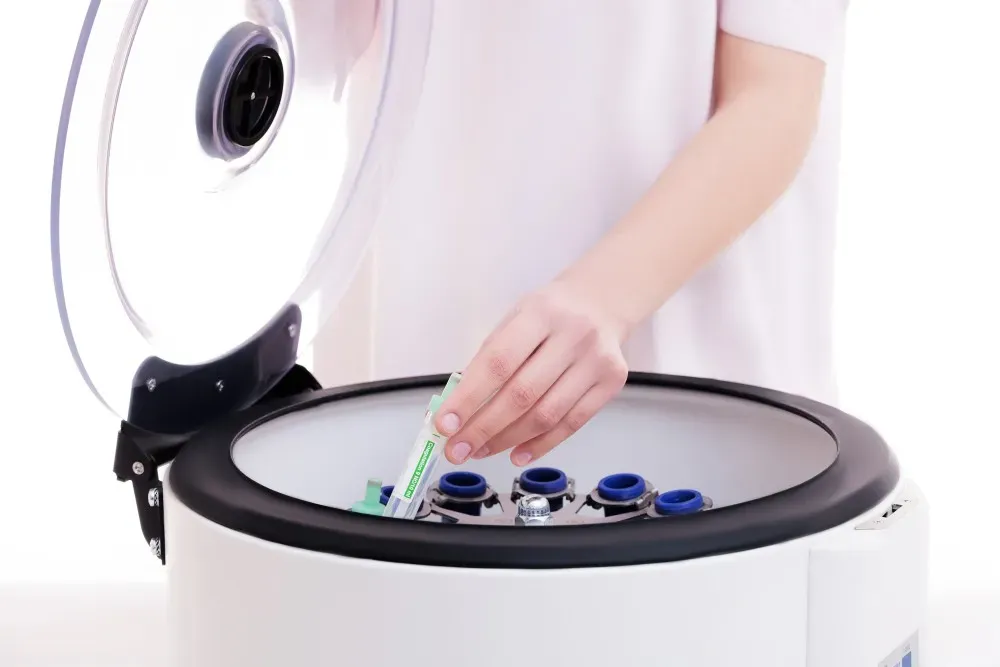
During a typical PRP procedure, we draw a small amount of your blood and use a centrifuge to separate the platelets from other blood components. We then inject the concentrated PRP into the targeted area.
PRP may help regulate inflammation and support the biological processes involved in healing. Research suggests that PRP can reduce pain and improve function in some patients with knee osteoarthritis, although results vary.
Traditional PRP treatments can vary in how providers prepare the blood, concentrate platelets, and administer injections.
Regenexx uses specialized processing protocols designed to produce customized platelet concentrations based on the patient's condition and treatment needs.
Several features distinguish the Regenexx approach:
Although these differences may influence treatment, researchers haven't established that higher platelet concentrations consistently produce better outcomes for every joint condition.
PRP therapy may help certain patients manage musculoskeletal conditions involving joints, tendons, and ligaments.
Potential applications include:
A thorough evaluation helps us determine whether you’re a good candidate.
Most patients return home shortly after their PRP procedure. You may experience temporary soreness, swelling, or stiffness around the injection site as your body responds to treatment.
Unlike corticosteroid injections, which may provide relatively rapid symptom relief, PRP treatments typically take more time before you notice improvement.
Some patients experience gradual changes in pain and mobility over several weeks or months. Your results depend on the condition being treated and the severity of tissue damage.
We may also recommend activity modifications or rehabilitation exercises to support your recovery.
Persistent joint pain doesn't always mean surgery is your only option.
At Coastal Regenerative Orthopedics & Wellness Center, Dr. Cohen and our team evaluate your symptoms, medical history, and treatment goals to determine whether Regenexx PRP may be appropriate.
Call our San Diego office or request a consultation online today to discuss your options for managing joint pain.